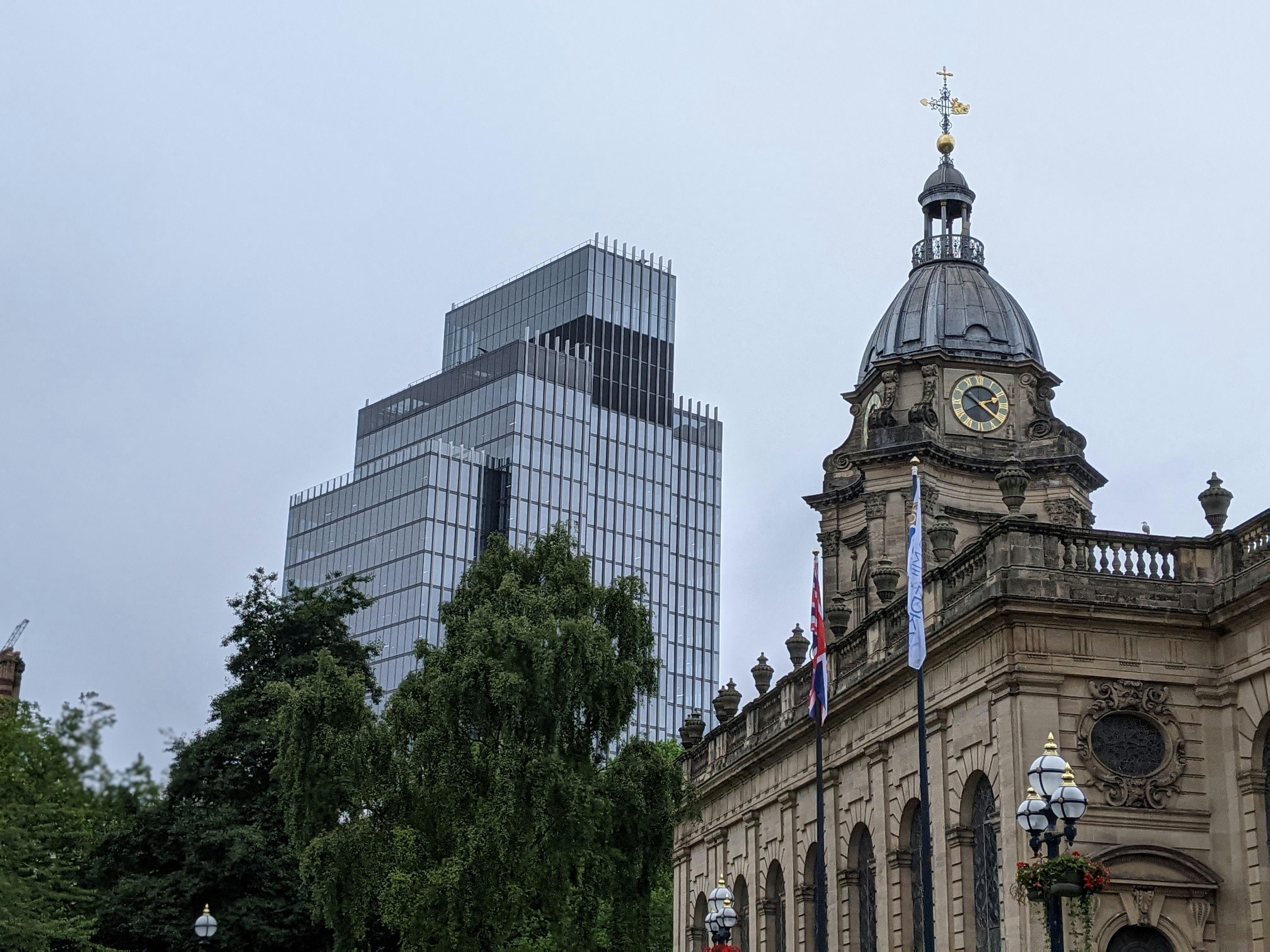
Birmingham is Europe's youngest major city by demographic profile and England's second city by population. Five universities, over 80,000 students, HS2 connectivity arriving at the new Curzon Street station, and active regeneration across Digbeth, Eastside and the Smithfield site give Birmingham a property investment case built on structural long-term demand rather than short-term speculation. Average buy-to-let yields run from 5% to 7% gross, with HMO properties in university areas regularly reaching 9% to 12%. We source across Birmingham and the wider West Midlands through established agent relationships built over years.
Why Birmingham for Property Investment Right Now
Birmingham's core investment argument is demographic. The city has the youngest average age of any major city in Europe, with over 40% of the population under 25. This is not a temporary statistical feature: it reflects a structural reality that will drive rental demand for decades rather than years. Young populations rent before they buy, and Birmingham's below-average home ownership rates among its young population mean a large and persistent renter cohort that will keep demand ahead of supply for the foreseeable future.
Beyond demographics, Birmingham's economic base has diversified significantly over the past decade. HSBC relocated its UK headquarters from London to Birmingham in 2018. Goldman Sachs, PwC, Deloitte and KPMG all have major Birmingham offices. The legal sector is the largest outside London. The Commonwealth Games in 2022 left a legacy of improved infrastructure and international visibility that has continued to draw overseas investor interest.
The Commonwealth Games village, built in Perry Barr, created 1,400 new homes that were sold and let after the games, providing additional rental stock and establishing a new residential address in an area previously underrepresented in the investment market.
Youngest Major City in Europe
Over 40% of Birmingham's population is under 25. Young populations rent before buying. That structural demographic keeps rental demand ahead of supply in a way that is not temporary or cyclical.
HS2 Connectivity
Birmingham Curzon Street HS2 station brings direct high-speed connectivity to London Euston. Areas adjacent to Curzon Street in Eastside and Digbeth have seen measurable price growth in anticipation of arrival, and further appreciation is expected as operational date approaches.
Strong HMO Demand
Five universities with 80,000 students create consistent demand for HMO properties, particularly in Selly Oak and inner-ring areas near Aston and Birmingham City Universities. HMO yields in these postcodes regularly reach 9% to 12% gross.
Birmingham Regeneration: Digbeth, Eastside and the Big City Plan
Digbeth Creative Quarter
Digbeth sits immediately south-east of Birmingham city centre and directly adjacent to the HS2 Curzon Street station site. The area houses independent arts spaces, music venues, a growing tech and digital cluster, and the Custard Factory creative hub. Birmingham City Council has designated Digbeth as a priority regeneration zone, with the Smithfield development transforming the former Bull Ring wholesale market site into a major mixed-use destination. Property values in Digbeth have risen significantly over the past five years and the regeneration story still has years to run.
Eastside and Curzon Street HS2
The HS2 Curzon Street terminus is the focal point of Eastside regeneration. The station itself represents a multi-billion pound anchor investment, and the surrounding streets are the subject of major residential and commercial development planning. Investors who identified Eastside five years ago have seen strong capital growth. The ongoing nature of the HS2 programme means that further infrastructure and planning activity will continue to support values.
Smithfield and Paradise
The Smithfield development to the south of the city centre is one of the largest urban regeneration projects in England, transforming 17 hectares of underused land into a mixed-use destination including retail, leisure, hotel and residential uses. The Paradise development in the city centre core has already delivered significant new office and hotel stock, demonstrating the scale of private investment Birmingham is attracting.
The Big City Plan
Birmingham's Big City Plan is a 20-year masterplan for the city centre covering 800 hectares. It includes major improvements to public realm, transport connectivity, housing supply and commercial space. The plan represents a framework for consistent, long-term investment in the city's infrastructure that underpins the capital growth case for property investors operating on a five to ten year horizon.
Birmingham Property Investment by Area: Prices and Yields
Birmingham offers a wider range of entry price points than Manchester, with some areas accessible to investors with budgets under £100,000. The table below covers the five areas we source most actively, with 2026 market data.
| Area | Avg Purchase Price | Avg Gross Yield | Tenant Profile | Best Deal Type |
|---|---|---|---|---|
| Digbeth | £130,000 to £205,000 | 6 to 8% | Young professionals, creatives | BTL, Off-Market |
| Erdington | £85,000 to £135,000 | 7 to 9% | NHS workers, young families | BTL, BMV |
| Selly Oak | £95,000 to £155,000 | 8 to 11% | University of Birmingham students | HMO, BTL |
| Jewellery Quarter | £150,000 to £225,000 | 5 to 7% | Young professionals, city workers | BTL |
| Edgbaston | £195,000 to £305,000 | 4 to 6% | Professionals, families, medics | BTL |
Rental Demand in Birmingham: Five Universities and Growing Professional Sector
Birmingham's rental demand comes from a genuinely diversified tenant base. The five universities create a large, consistent student market. The growing professional services sector provides stable longer-term tenants. NHS employment across Queen Elizabeth Hospital, City Hospital, Heartlands and Good Hope creates a significant key worker tenant pool that is among the most reliable in any English city.
University students: University of Birmingham (35,000 students), Birmingham City University (25,000), Aston University (15,000), Newman University and Birmingham Newman collectively add a further 5,000 to 8,000. Total student population across Birmingham universities is over 80,000.
Professional sector workers: HSBC UK headquarters, Goldman Sachs, the major accountancy and legal firms, and a growing tech and digital sector collectively employ tens of thousands of professional workers who represent the prime buy-to-let tenant demographic in city centre and inner-ring postcodes.
NHS and healthcare workers: Birmingham has one of the largest NHS Trust footprints in England. Healthcare workers represent a stable, long-term tenant profile that is particularly valuable for investors who prioritise tenancy continuity over maximum achievable rent.
Invest in the Other Cities We Cover
Birmingham is one of four English cities where we have established agent relationships and a completed deal track record. For the highest yields in England at the lowest entry price, Liverpool property investment delivers 7% to 10% gross and has one of the most active overseas investor markets of any English city. For the most diversified economic base and a large student population, Manchester property investment offers 6% to 7% BTL yields with strong regeneration-driven capital growth. For the fastest growing city economy outside London, Leeds property investment combines strong yields with a transparent and consistent rental market.
To request available deals in Birmingham, use the form on this page. We source HMO deals near Birmingham's universities and buy-to-let properties across the city.
Birmingham Property Investment: Frequently Asked Questions
Buy-to-let gross yields in Birmingham range from 5% to 7% depending on area. Selly Oak and Erdington can reach 7% to 9% gross. HMO properties in student areas near the University of Birmingham and Birmingham City University regularly achieve 9% to 12% gross. These are gross figures before mortgage costs, management fees and maintenance.
HS2 Phase 1 connects Birmingham Curzon Street directly to London Euston. The Curzon Street station is a major regeneration anchor for the Eastside area, with significant residential and commercial development planned in surrounding streets. Areas within walkable distance of Curzon Street have already seen price growth in anticipation of the connectivity improvement, and further appreciation is expected as operational date approaches.
Birmingham has five universities with a combined student population of over 80,000. Selly Oak, adjacent to the University of Birmingham, is one of the most established student HMO markets in England. Erdington and inner-ring areas near Birmingham City University and Aston University also support strong HMO demand. HMO yields in these areas regularly reach 9% to 12% gross. Licensing requirements and any Article 4 directions must be checked before purchase.
For yield-focused investors, Selly Oak and Erdington offer the best income returns at the lowest entry price. For capital growth with reasonable yield, Digbeth offers the clearest regeneration-driven growth story in the city, adjacent to the HS2 Curzon Street station site. The Jewellery Quarter suits city centre professional tenants. Edgbaston suits longer-term professional lets where capital preservation is the priority.
Yes. There are no restrictions on overseas nationals purchasing property in Birmingham. Overseas buyers pay a 2% Stamp Duty Land Tax surcharge on top of standard residential rates. Birmingham has an established overseas investor market with specialist solicitors and property managers experienced in handling remote purchases and ongoing portfolio management.
Digbeth is Birmingham's creative quarter immediately adjacent to the HS2 Curzon Street station site. It houses independent arts spaces, music venues and a growing tech and digital sector. Major regeneration through the Smithfield development and wider Big City Plan investment is transforming the area. Property values in Digbeth have risen significantly over the past five years and the regeneration story still has years to run.
Property investment carries risk. The value of property can go down as well as up. Capital at risk. Yield figures are estimates based on current market data and do not constitute a guarantee of future performance. We recommend seeking independent financial, legal and mortgage advice before making any investment decision.